CH2M HILL Alumni Association Newsletters are always highly rated by CHAA members. One reason is that they provide updates on what the organization is doing. The Newsletters also provide a way to share the thoughts, stories, activities and updates about our members and future members. The Newsletter helps to preserve and promote the legacy of CH2M HILL including the Pay it Forward efforts of our Alumni.
We’re looking forward to your article in the Newsletter! To assist you, we have updated our guidelines to provide more ideas, directions, and standardization on the content and format of the Newsletter. Also, we’re trying to promote consistency throughout the Newsletter, so please review these guidelines before you start writing. Remember, we have editors and formatting specialists, so don’t worry too much about the details.
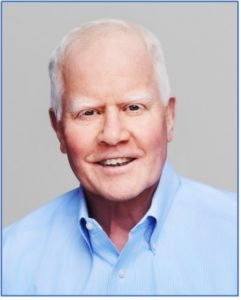 We have several Alumni members that can assist you with developing, editing, and finalizing your piece for the Newsletter. To begin your process, please reach out to the Newsletter Publisher Bill Van Wagenen with a copy to our website master Don Marske at ch2mhillaa@gmail.com .
We publish two newsletters yearly, normally in February and August. To have a piece included in a Newsletter, you should plan to start the process at least two months in advance. The Newsletter team is flexible and can work with you to get your piece ready, but our flexibility diminishes as we get closer to the publication deadline.
Here are the updated guidelines for contributors to the Newsletter:
- Think ahead about how best to organize the various parts of your story. The most popular method for organizing a story is chronological order. Here’s a typical outline: Getting Ready for the Trip, Hello Airport!, An Unexpected Detour, Two New Friends, Happy to be Back Home. These “headings” can then be used to separate the text into bite-size chunks. Headings also serve as useful “signposts” to let the reader know what’s coming next.
- Describe the main events and include names of main characters, as well as the location and timeframe of the story. In general, there’s no need for precise dates, just month and year.
- Tell your story clearly and concisely, with as much detail as you think our readers would appreciate.
- Include unusual features, surprises, obstacles overcome, friendships made or renewed, etc.
- Where appropriate, emphasize inspiring, humorous, informative, colorful, exciting, suspenseful, and nostalgic aspects of the story.
- By the end of the story, make sure the reader understands what made the story so memorable.
- We also welcome articles about the history of CH2M HILL, personal reflections and achievements, maintaining CH2M HILL legacy, Pay It Forward efforts, and other stories that you think would be of interest to our Alumni readers.
- In general, keep the article between 400 and 2,500 words.
- Use photos to flesh out your story and make it more vivid. Include roughly 4 to 15 photos, with captions, that highlight important parts of the story. Typically, captions identify people and places; however, they can also be used to add humor or call attention to something interesting about the photo. You can include even more than 15 photos if you feel they’re essential to your story.
- Don’t add the photo captions to your photo files. Rather, include a list of photo captions and clearly indicate which caption goes with which photo. Our formatting staff will add your captions to your photos.
- Use captions that are as short as possible while conveying the necessary information.
- To the extent possible, make sure photos are sharp and high-quality—not blurry, not too dark, not too light. And the most important element(s) of the image should be featured prominently. If needed, our staff can enhance the photo.
- Use photo files that are 300k to 1 MB in size if possible. They should be .jpg or .png format if possible. Photos do not need to be hi-res; 300 dpi is generally fine.
- Use a conversational tone whenever you believe it helps your story flow more smoothly than a more formal tone. For example case, using the contraction “didn’t” sounds more like conversation than the more formal “did not.”
- Avoid potentially offensive language, including profanity, discriminatory terms, and advocacy for or against specific political points of view.
Please feel free to reach out if you have any questions.
Finally, we are always looking for more alums to assist the Newsletter team with finding potential contributors and assisting them in the process of writing for the Newsletter. Reach out to Bill Van Wagenen and Don Marske with your interest.